
Monarch Joint Venture Blog
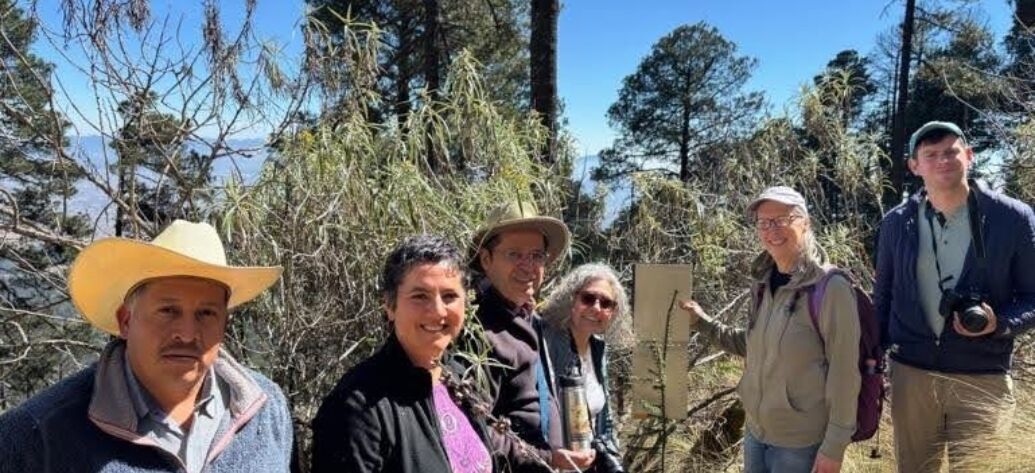
Dr. Karen Oberhauser highlights conservation projects from recent trip to Mexico
Conservation and education work around the Monarch Butterfly Biosphere Reserve requires significant effort from a number of organizations. In her latest report for the Monarch Joint Venture, Dr. Karen Oberhauser highlights some of the efforts she visited during a February trip to Mexico. Read More
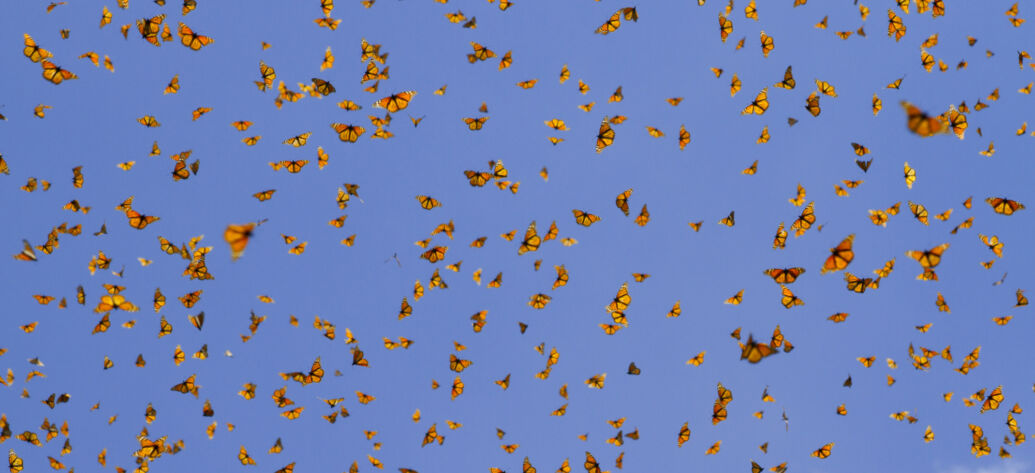
Monarchs arrive at overwintering sites while late-season sightings continue in the north
Monarchs have reached their overwintering sites right on schedule, even as a few late-season butterflies continue to appear across the northern U.S. Dr. Karen Oberhauser shares the latest migration observations, new tracking technology, and ways to support monarch conservation. Read More
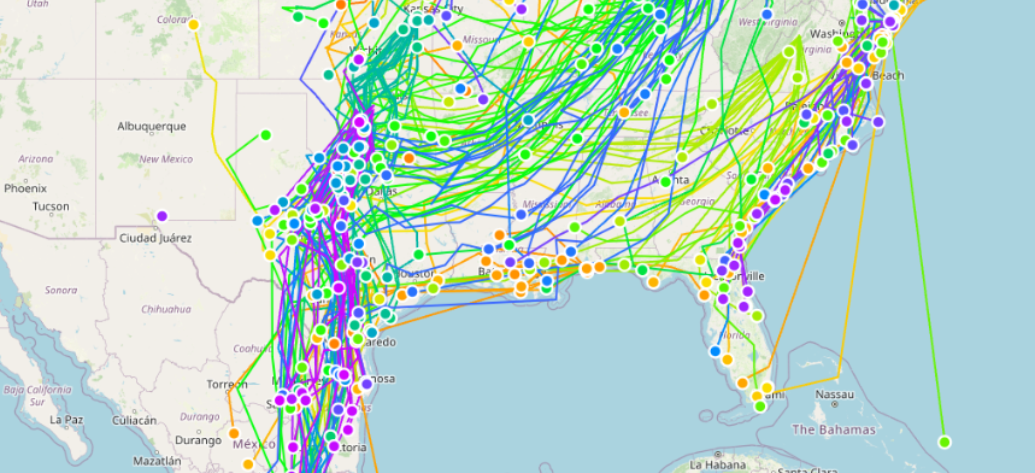
Revolutionary tracking study follows monarch butterflies to Mexico using groundbreaking technology and continent-wide collaboration
Over 400 ultra-light transmitters deployed by over 20 partner organizations deliver unprecedented, individual-level view of monarch migration using dedicated receivers and crowd-sourced location networks Read More

Monarchs still on the move as calendar turns to November
As we turn the calendar, monarch roosts are being reported in Texas and Mexico, with the leading edge of migration near Saltillo in the State of Coahuila. The first monarchs should be arriving to areas near overwintering sites soon. Read More
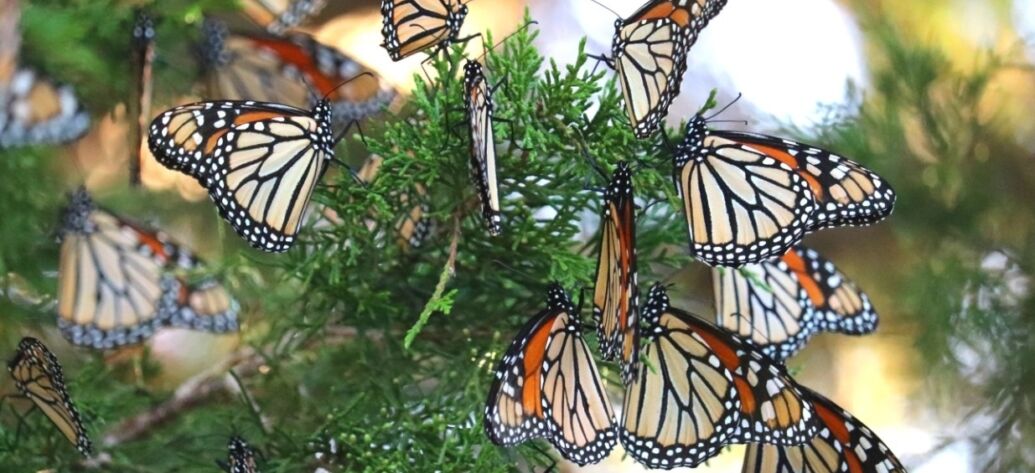
Strong end to monarch breeding season; leading edge of migration reaches Oklahoma
Journey North volunteers have reported monarch roosts as far as Kansas and Oklahoma, and Dr. Karen Oberhauser writes that monarch observers with the Monarch Larva Monitoring Project reported monarchs in good numbers throughout August and into September. Read More