
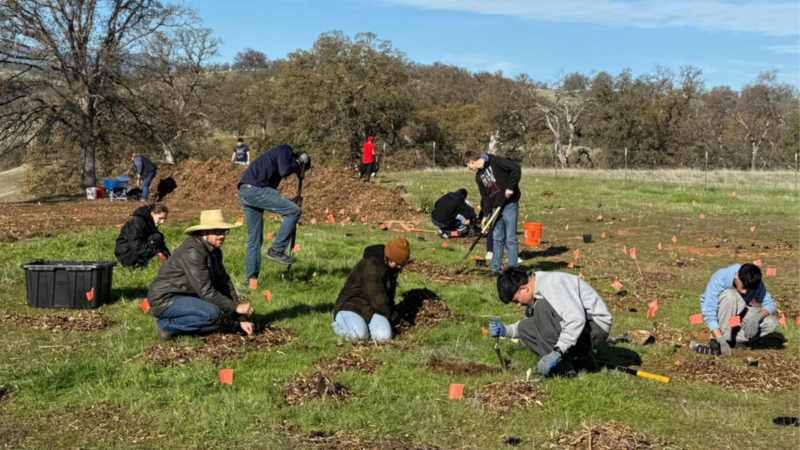
As Western Monarch Counts show another year of low monarch counts at known overwintering sites in California, work goes on to bring pollinator habitat back to the western landscape.
We're working with partners to ensure that insects, animals, and humans continue to benefit from a thriving, interconnected environment. Here are some of our 2025 partnerships from California.
Want to help us establish pollinator habitat across the West? Consider a donation to the Monarchs & More Western Habitat Fund!
Or, if you have a project you'd like help with this year, you may benefit from the program. The Monarchs & More Western Habitat Program provides free regionally native wildflower seed mixes, plant materials for select projects, milkweed plugs (when appropriate), and technical assistance for native pollinator habitat creation and enhancement throughout California. The native seed mixes include regionally specific wildflowers, including annuals and perennials, designed with overlapping bloom periods throughout the growing season. Click here to learn more.
Napa Valley Vine Trail
We’re helping pollinators thrive along the Napa Valley Vine Trail! MJV partnered with Napa RCD, Napa Valley Vine Trail Coalition, Napa County Beekeepers Association, California Native Plant Society of Napa County, Natural Resources Conservation Service, Western Monarch Society of Napa County, and Leadership Napa Valley to support a community pollinator planting, designed to boost native species, increase biodiversity, and create an educational and beautiful model for future California native plantings along the trail.
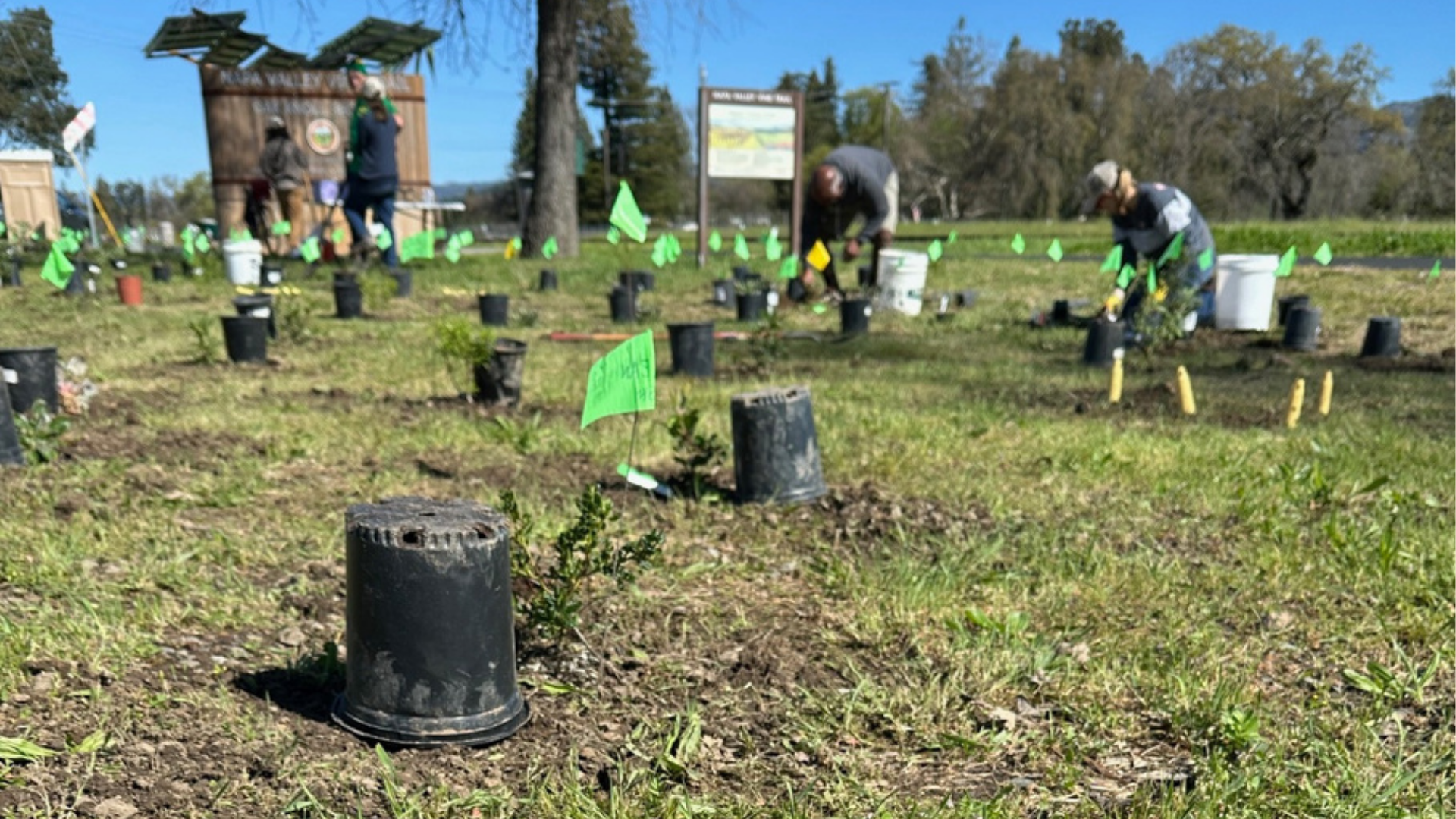
The community planting, between Yountville and Napa, just before Oak Knoll, took place in March 2025, with about a dozen volunteers participating in site preparation and planting.
Pollinator planting at Browns Valley Elementary School
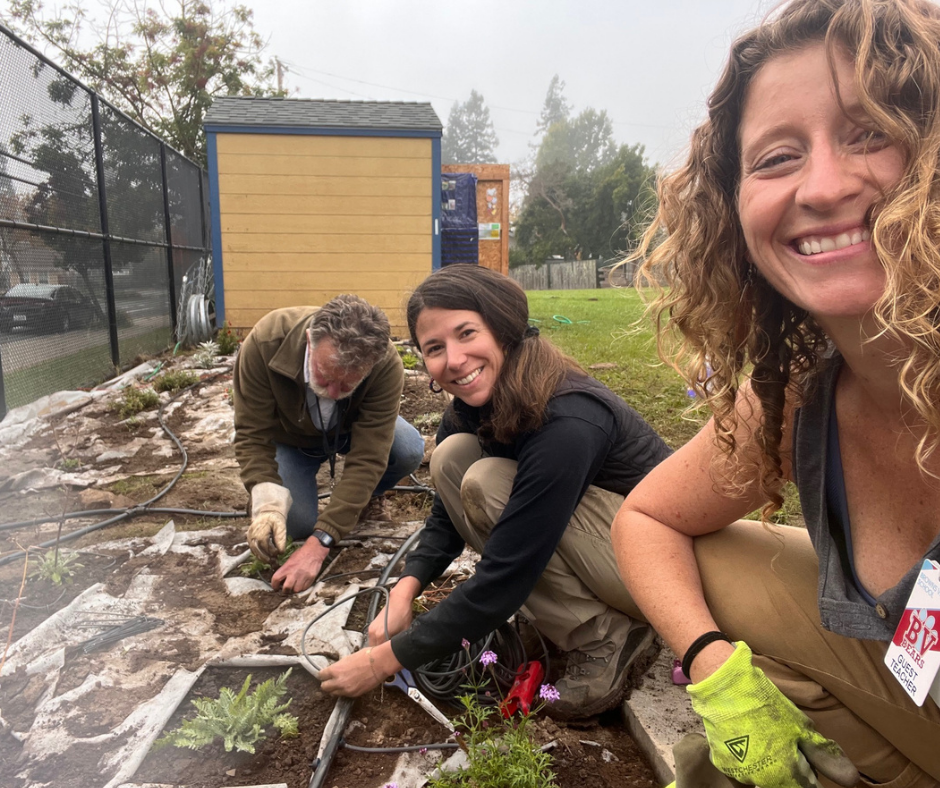
We also partnered with Napa RCD and STEAM teacher Danielle D’Amour of Napa Valley Unified School District to support a pollinator planting at Browns Valley Elementary School in Napa, California. This outdoor classroom will boost native species, increase biodiversity, and help inspire and educate the next generation of ecologists and conservationists.
Leok Po cultural burn demonstration
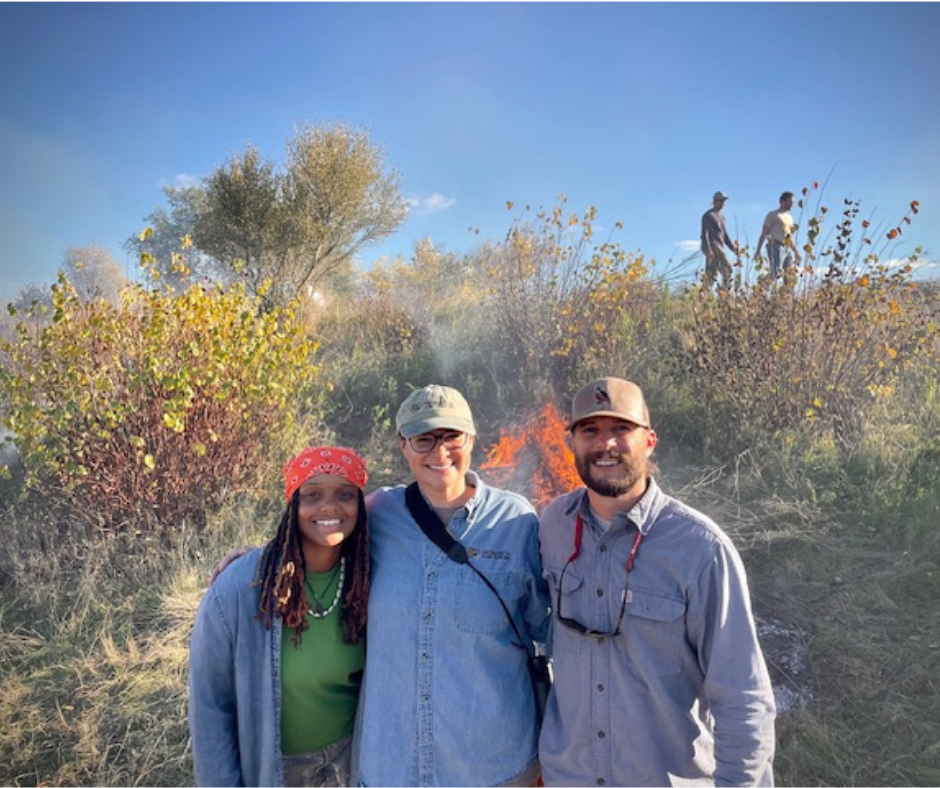
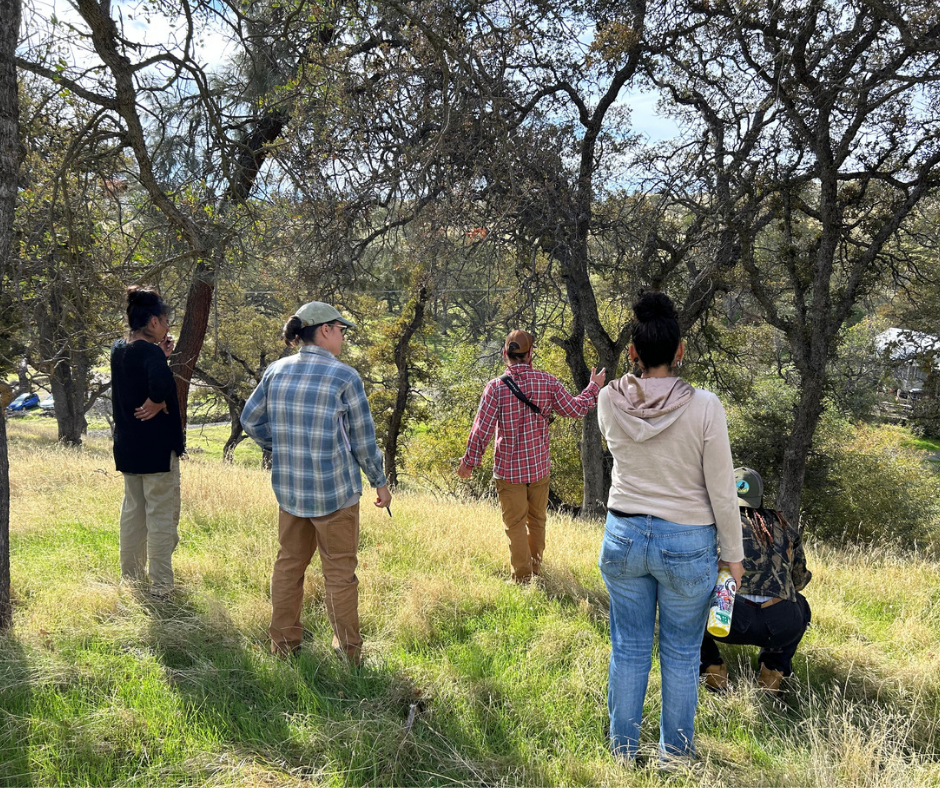
Alongside our partners at Audubon California, MJV participated in an educational Leok Po cultural burn demonstration on Nov. 7, 2025, that highlighted the importance of beneficial fire. Guided by Indigenous Traditional Ecological Knowledge through Diana Almendariz at Cache Creek Conservancy and their partners, we learned how to safely start a fire using natural materials and move the fire slowly across the landscape. We also had the opportunity to learn from cultural practitioners at Cultural Awareness tables and discussions with special guest speakers. Thank you to our teachers for sharing their knowledge—it was a meaningful and fun day with our partners.
Bobcat Ranch planning and planting
On Nov. 11, 2025, we gathered with our partners from California Open Lands and Audubon California at Bobcat Ranch, a 6,800-acre property in Winters, California, acquired by Audubon California in 2007 and the demonstration site for the Audubon Conservation Ranching Program. Together, we explored planning opportunities for upcoming partnerships centered on grasslands, insects, birds, and people. During our time together, we also planted California native willows that were clipped and placed along a riparian corridor to support and expand habitat.
Thank you to Matt Allshouse for hosting and to Ali Meders-Knight for sharing her knowledge and guidance.
Keystone Land and Livestock planting
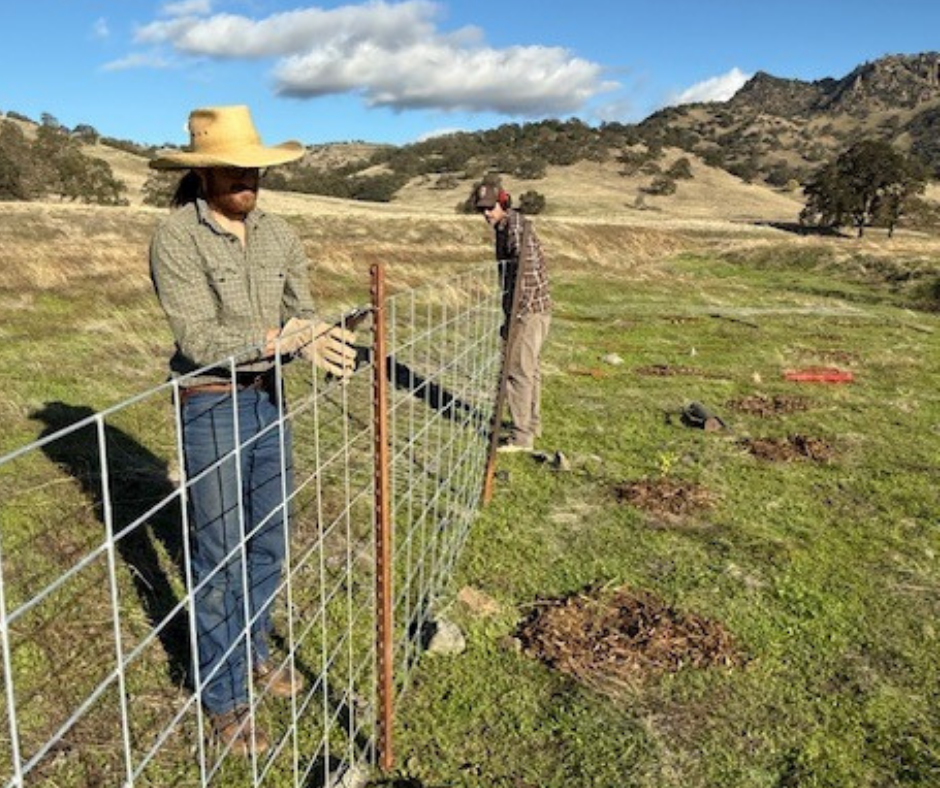
We’re partnering with Audubon California’s Conservation Ranching Program to support pollinators and biodiversity on working lands. Alongside Audubon California, Keystone Land and Livestock, USFWS Partners for Fish and Wildlife Program, and Wet Meadows Institute, we planted two Xerces Society Habitat Kits and some MJV Monarchs and More Western Habitat Program Sutter Buttes area native rangeland seed mix on Nov. 18, 2025. Plus, we built some fencing to protect the new habitat as it establishes.
This Monarchs and More Western Habitat Program seed mix can be acquired for participants in the program. This includes two tracks: one for those working on farms, ranches, or working lands across California, and another for people working on habitat projects for school districts, city park systems, or other community efforts. Click here to learn more.
Ekland Ranch planting
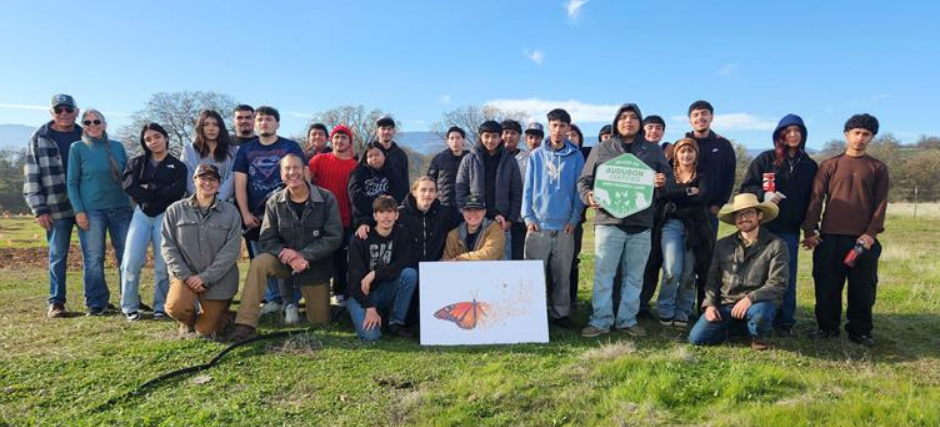
Students studying natural resources at Corning High School joined employees from California Olive Ranch on Dec. 5, to help plant hundreds of native pollinator plants at C&R Ranch in Paskenta. Facilitated by the Resource Conservation District of Tehama County (RCDTC), the one-day effort brought participants together with specialists from Audubon Ranching and MJV to support habitat restoration on the working cattle ranch.
C&R Ranch owners Charlotte and Roy Ekland have been working over the past decade restoring their rangeland, where their 80 head of grass-fed, grass-finished cattle rotate through pastures to mimic natural grazing patterns. The rotational system is designed to improve plant recovery, boost forage productivity, and strengthen the ranch’s long-term viability. Increasing native vegetation is a major component of their strategy, supporting soil health, biodiversity, and erosion control. It is also a requirement for producers seeking Audubon Ranching Certification and a technical assistance service of the RCDTC.
To expand native habitat, the Ranch was awarded a Xerces Society pollinator plant kit, but needed help installing the 600 plant starts and plugs. After several days of planning, RCDTC, Audubon Ranching, Monarch Joint Venture, and the Ranch developed a planting and irrigation plan and coordinated participants to complete the mass planting of more than a dozen native species.
Before work began, the specialists presented the role of pollinators in rangeland systems and demonstrated planting techniques. Participants then spent the day digging, planting, mulching, and watering new habitat zones. The Eklands capped off the event by serving Audubon Ranching Certified beef burgers as a thank-you to participants.
Students boarded the bus tired but satisfied with the day’s work, leaving with a deeper understanding of the natural world and their role in caring for it. Other participants shared that the experience was a meaningful look at how conservation practices are applied on working lands.