
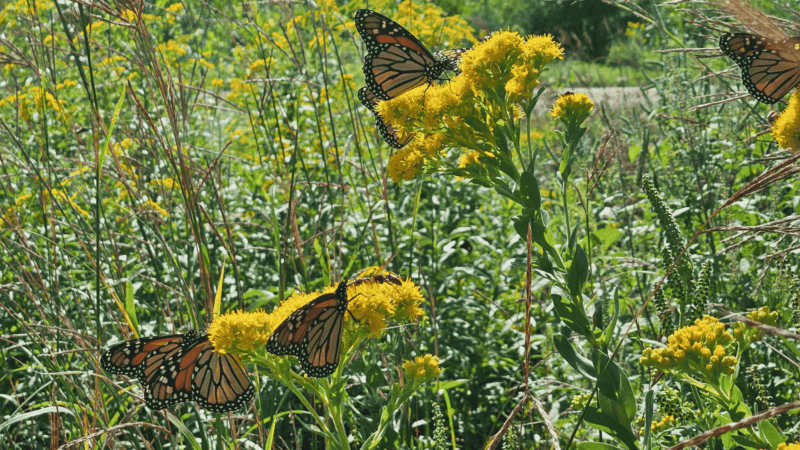
Located on ancestral Dakota land in Belle Plaine, Minnesota, Prairie Oaks holds a deep history of stewardship shaped by generations of land caretakers and the conservation legacy of the Prairie Oaks Institute. Since becoming stewards of the property in 2024, the Monarch Joint Venture has been honored to build on this foundation, restoring habitat and preparing the property to serve as a hub for pollinator conservation, education, science, and community connection.
This progress reflects the collective support of generous individual donors and several collaborating organizations, including NextEra Energy Foundation, Biodiversity Works, CPKC, BASF, and Scott County Soil and Water Conservation District. We also want to acknowledge the dozens of volunteers whose time, care, and commitment help Prairie Oaks thrive.
Caring for the Land
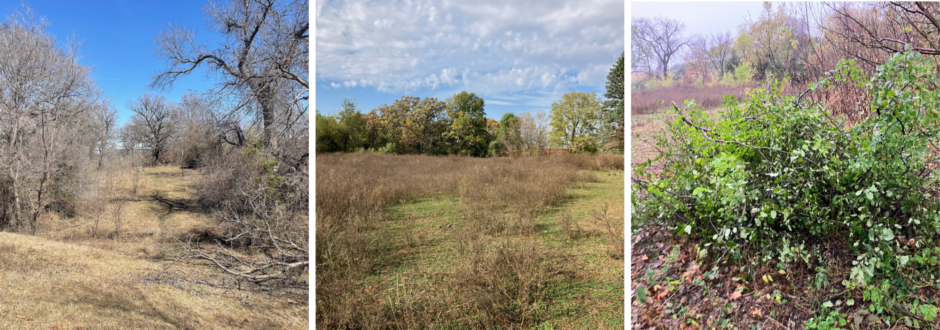
Much of the work has focused on restoring the property’s 13-acre bur oak savanna, home to centuries-old trees and important pollinator habitat. Staff and volunteers cleared invasive buckthorn, honeysuckle, Siberian elm, and encroaching cedar to open space for native plants and young oaks. Hazardous dead trees near trails and buildings were removed to improve safety while preserving wildlife habitat where possible.
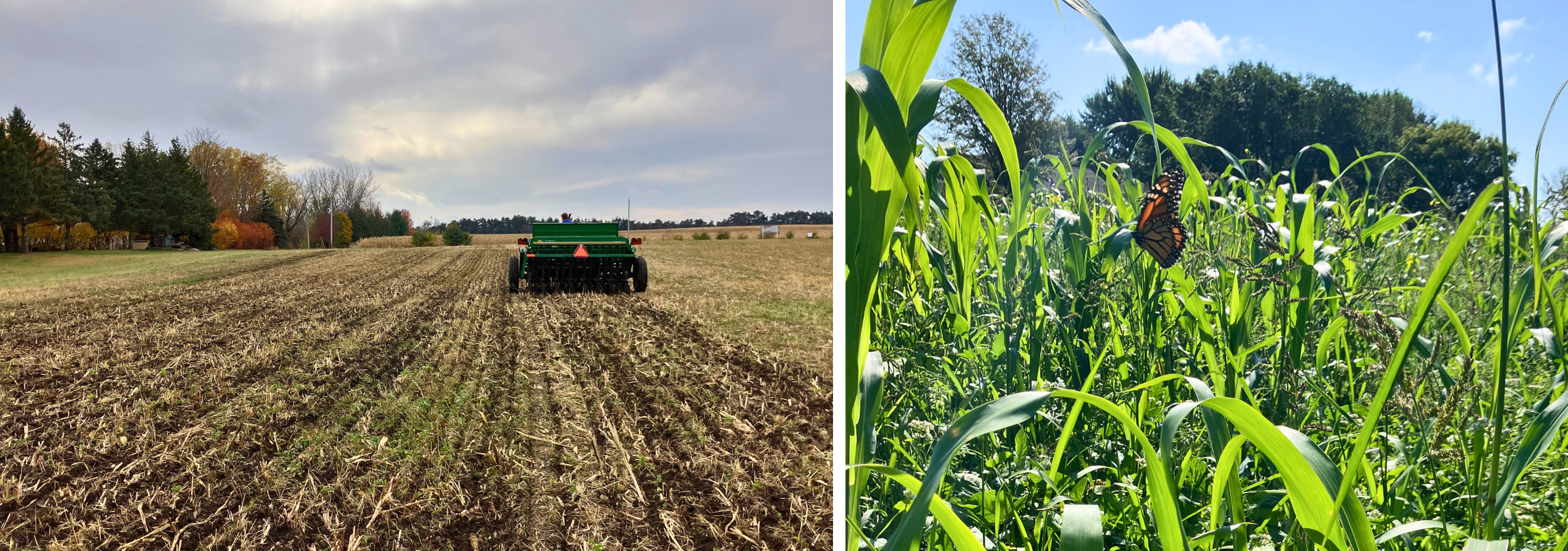
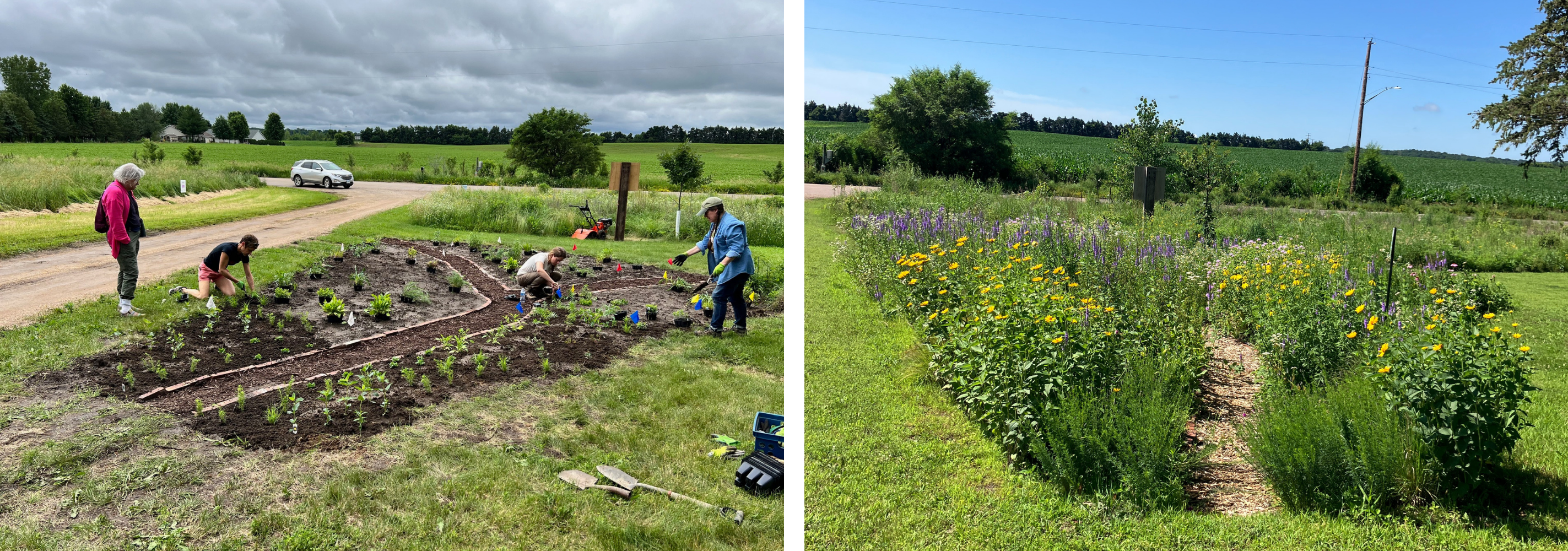
A former crop field is now becoming a diverse pollinator planting. In 2025, flowering cover crops provided nectar for migrating monarchs and other pollinators before the site was seeded with a 68-species native mix designed for long term habitat. Meadow blazing star plugs were added to attract monarchs and support future monitoring and education activities. Additional improvements, including culvert fencing and transplanting native plants, helped protect and strengthen existing prairie habitat.
Rebuilding the Prairie Oaks Greenhouse
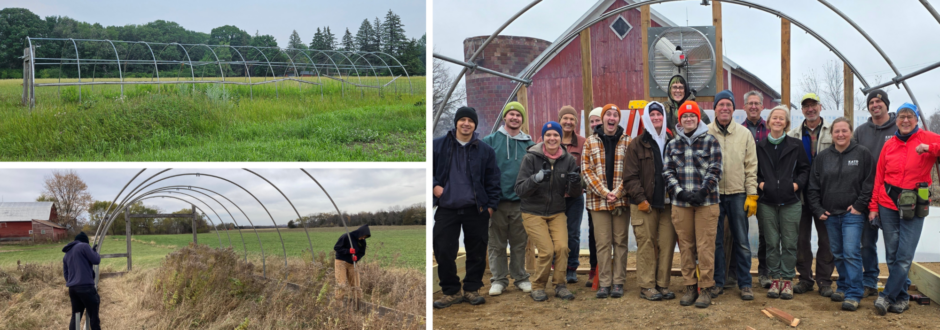
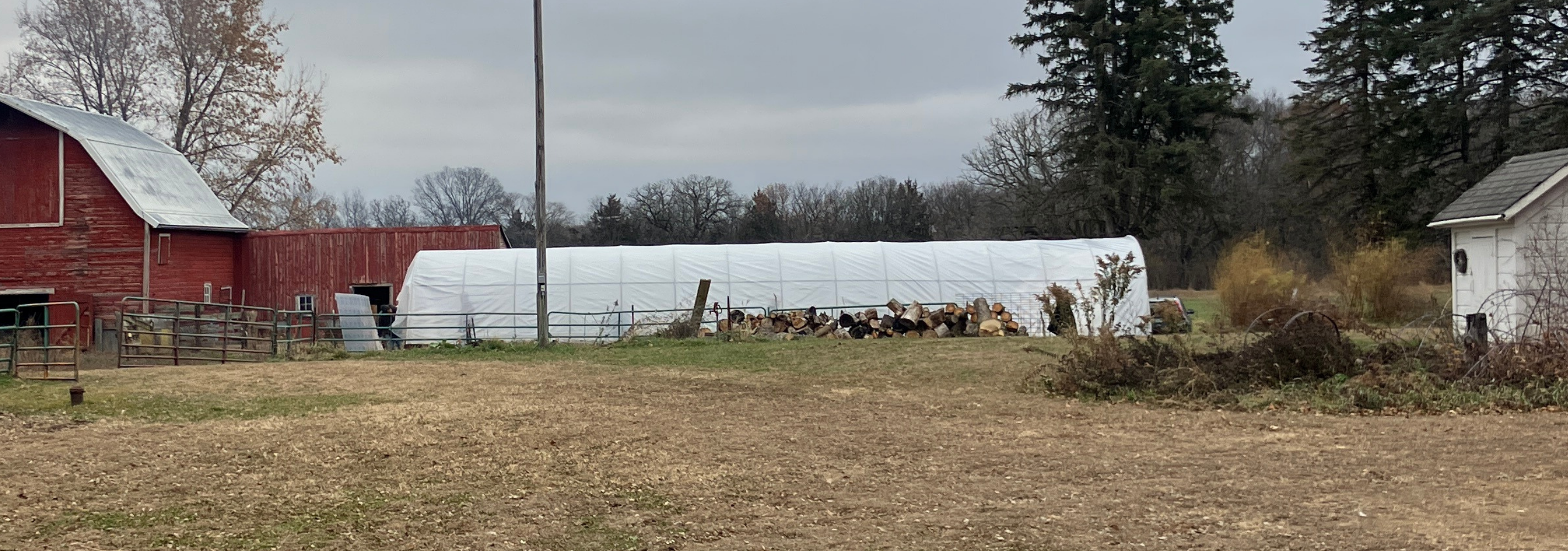
One of the most exciting projects of 2025 was the restoration of the Prairie Oaks greenhouse. After years of limited use, the structure was relocated to a more accessible site with improved utilities, then rebuilt with new end walls and plastic covering.
Upgrades, including ventilation, heating, and planting benches, will allow the greenhouse to support native plant production beginning in 2026. Once operational, it will provide seedlings for restoration projects and serve as a hands‑on learning space for workshops, volunteer events, and educational programs.
Gardens That Welcome Pollinators and People
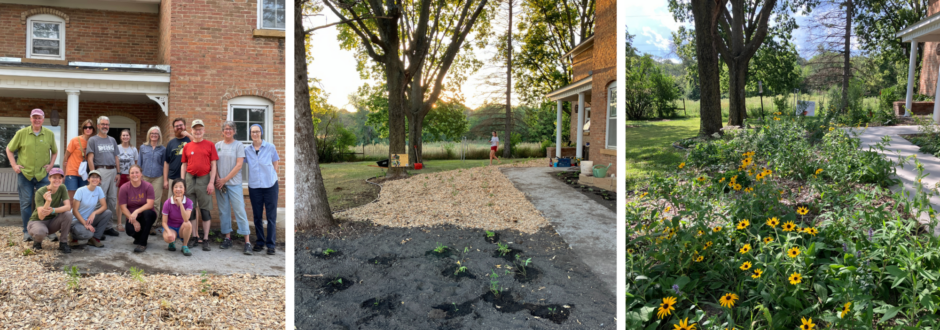
New gardens throughout the property provide both habitat and welcoming learning spaces. A memorial garden near the Farm House honors Kim Devine Johnson, one of the founders of the Prairie Oaks Institute. A butterfly garden planted during the first Butterfly Days event continues to bloom with seasonal color and pollinator activity. At the Harvest House, volunteers helped install a rain garden that improves stormwater management while supporting a diverse array of native plants.
A Place for Community and Conservation
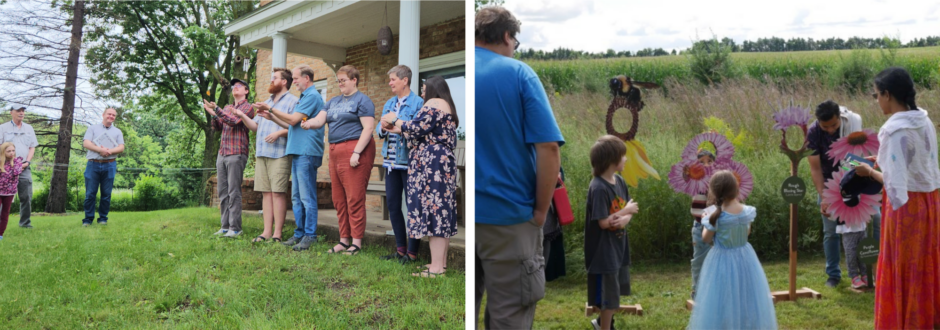
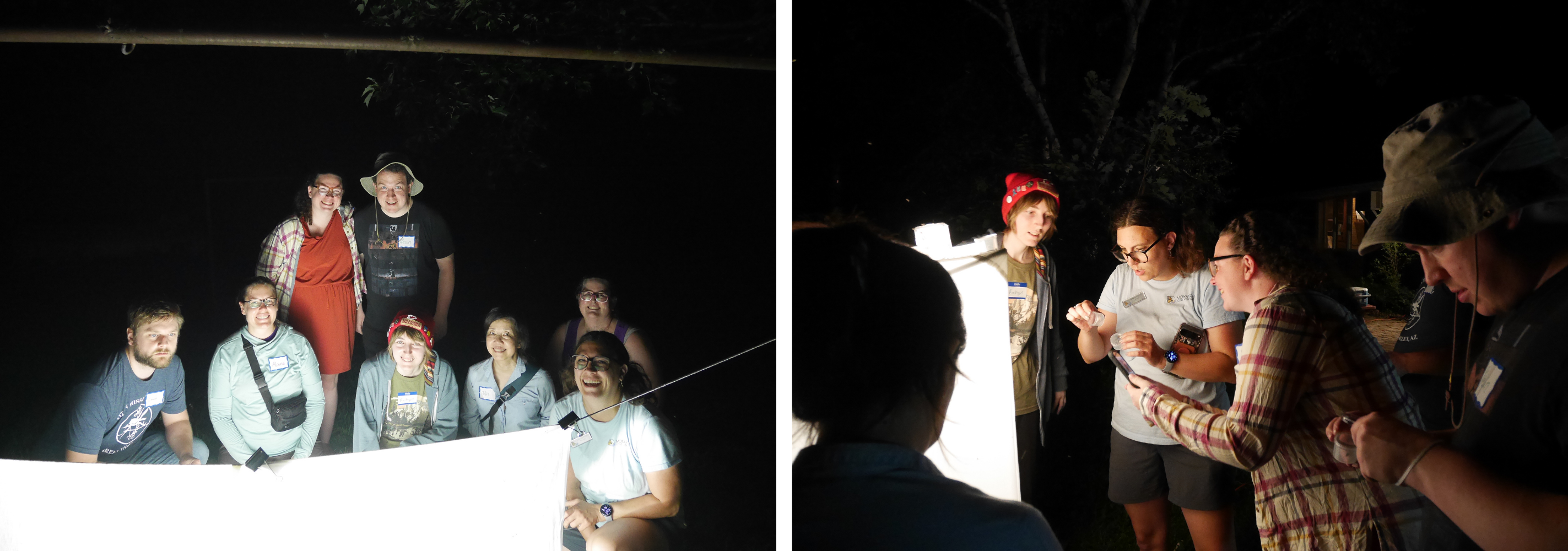
Prairie Oaks continues to grow as a gathering place for people who care about pollinators. Volunteer workdays, tours, workshops, youth programs, summer camps, moth nights, and annual Butterfly Days celebrations have brought community members onto the land to learn, connect, and contribute to restoration work.
As stewardship continues, Prairie Oaks will continue to evolve into a space where science, education, and community come together to support monarchs and other pollinators. We are grateful to the generous supporters, volunteers, partners, and staff, whose commitment and care make this work possible.