
Monarch Joint Venture Blog
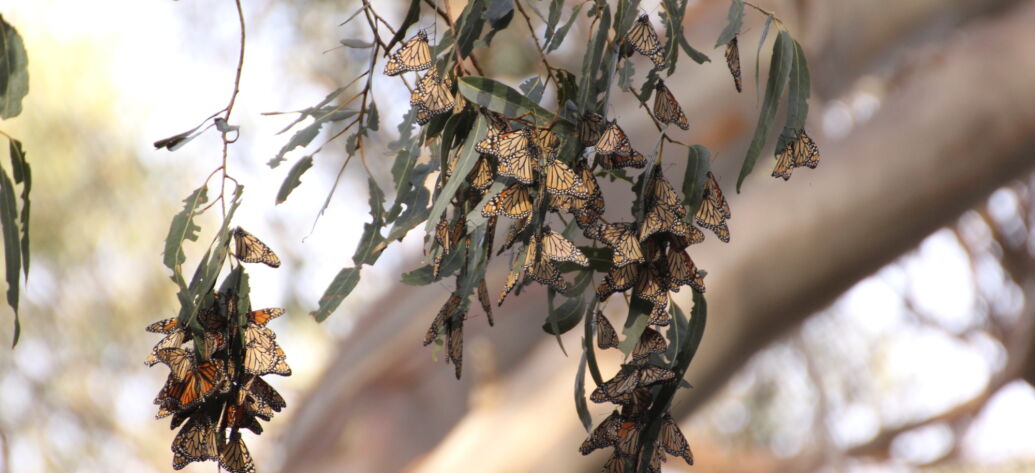
Western Monarch Count marks another low year at coastal overwintering sites
From late November through early December 2025, hundreds of volunteers and partners participated in the effort, surveying 249 overwintering sites and recording a peak population of just 12,260 monarchs. While this is a slight increase from last season's 9,119, it is the third-lowest tally since the count began in 1997. Read More
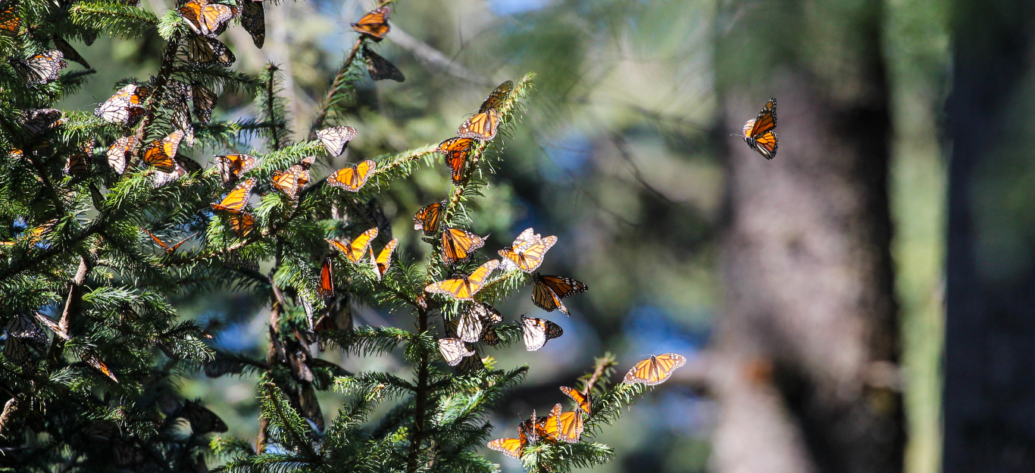
Eastern Monarch Numbers Increase, But Conservation Efforts Still Critical
The eastern monarch butterfly population in Mexico’s oyamel fir forests this past winter occupied 1.79 hectares, according to the latest survey released by the World Wildlife Fund-Telmex Telcel Foundation Alliance (WWF) and the National Commission of Protected Natural Areas in Mexico (CONANP). This represents a 99% increase from last year’s 0.9 hectares in the 2023-2024 overwintering season. Read More
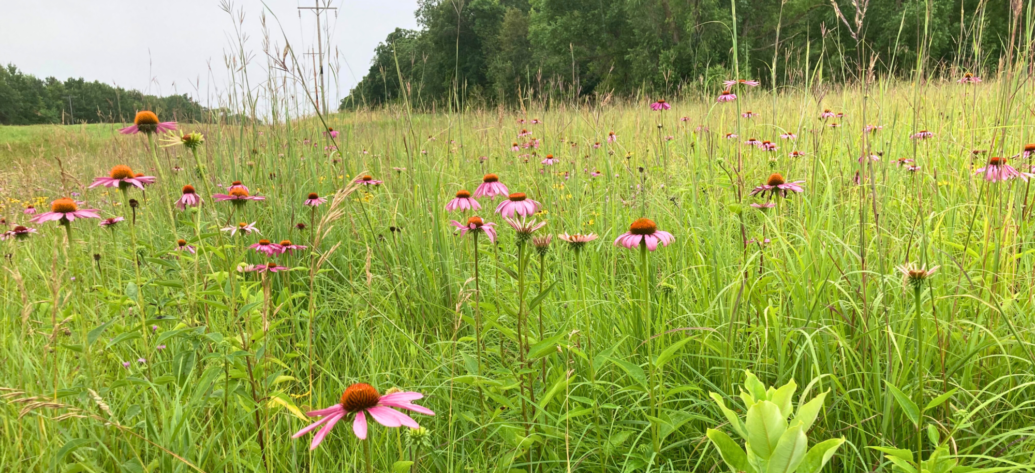
Remote Sensing on Energy and Transportation Rights-of-Way
As habitat loss threatens monarch butterfly populations, the Monarch Joint Venture uses remote sensing technology to assess pollinator habitat along energy and transportation rights-of-way in Minnesota to inform conservation efforts and future restoration opportunities. Read More

Western Monarch Population Continues to Decline
The 28th annual Western Monarch Count has reported a peak population of just 9,119 butterflies this winter. Read More
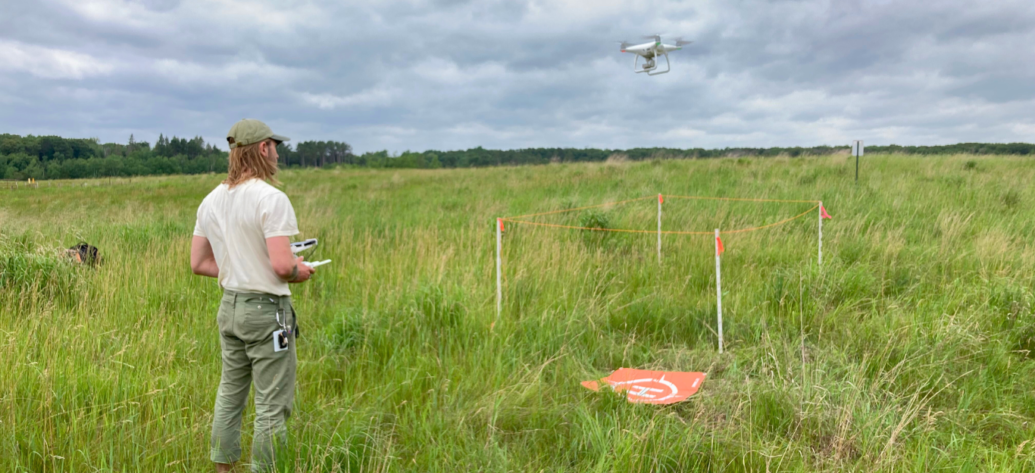
Celebrating 2024’s Remote Sensing Program Milestones and Next Steps
While we close out the 2024 remote sensing field season, we reflect on the opportunities that have allowed our innovative program to grow. 2024 marks the second year that MJV has applied remote sensing across a large regional landscape, surveying over 5,000 acres across Iowa, Minnesota, North Dakota, and Wisconsin. This year, we made significant progress toward building a cohesive, shareable, and mappable database of monarch habitat that also improves the capabilities of the conservation community to accurately monitor and evaluate pollinator habitat. Read More